Washing machines look like an easy install: plug, hot, cold, drain. In practice the install determines how long the machine lasts and whether the laundry floor stays dry. We install and replace top loaders, front loaders, and washer-dryer combos across Sydney for homeowners and property managers.
What is involved
- Transport bolts removed. Front loaders ship with shipping bolts that hold the drum during transport. They have to come out before the first cycle or the drum will tear. This is the single most common omission we see when customers self-install.
- Levelling. Adjustable feet are set so the unit is perfectly level in both directions. A front loader at speed (1400 to 1600 rpm) generates significant centrifugal force; even a small tilt causes the unit to walk across the floor and damage the bearings.
- Water connection. Hot and cold inlets are connected with anti-flood (Aquastop) braided hoses. The existing tap washers are inspected and replaced if perished.
- Waste connection. The drain hose is routed through the standpipe or laundry-tub waste at the right height. Too low and the machine siphons; too high and it cannot drain cleanly.
- Power connection. Most washing machines run on a standard 10 A GPO. We confirm the GPO is in good condition and not shared with other heavy loads.
- Test cycle. Once everything is connected we run a short cycle to verify drain, spin, and balance. Any rattling, leaking, or balance error is fixed before we leave.
Replacing an existing washing machine
A washer with worn drum bearings, a failed control board, or a leaking outer tub is often more sensible to replace than to put through another washing machine repair. Replacement reuses the water, waste, and power already in place, so the work focuses on:
- Removal. Disconnect hot, cold, waste, and power. Drain residual water from the pump (always more than you would expect). Lift the unit out without damaging the laundry floor or door frame.
- Connection refresh. Old braided hoses are replaced, tap washers checked for perish, and the GPO inspected. Pulling out the old unit is the right moment to refresh the connections that would otherwise fail within a year or two.
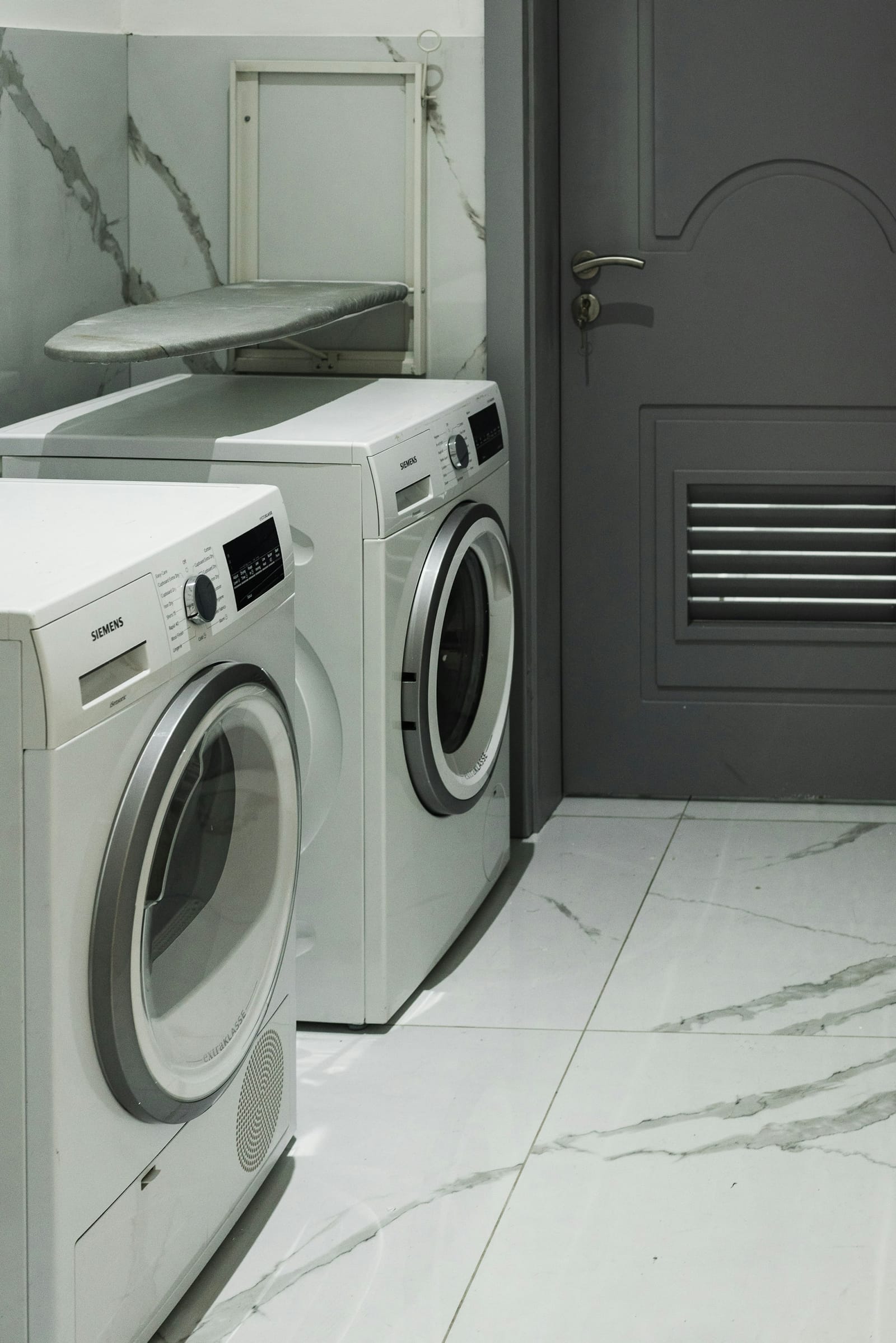
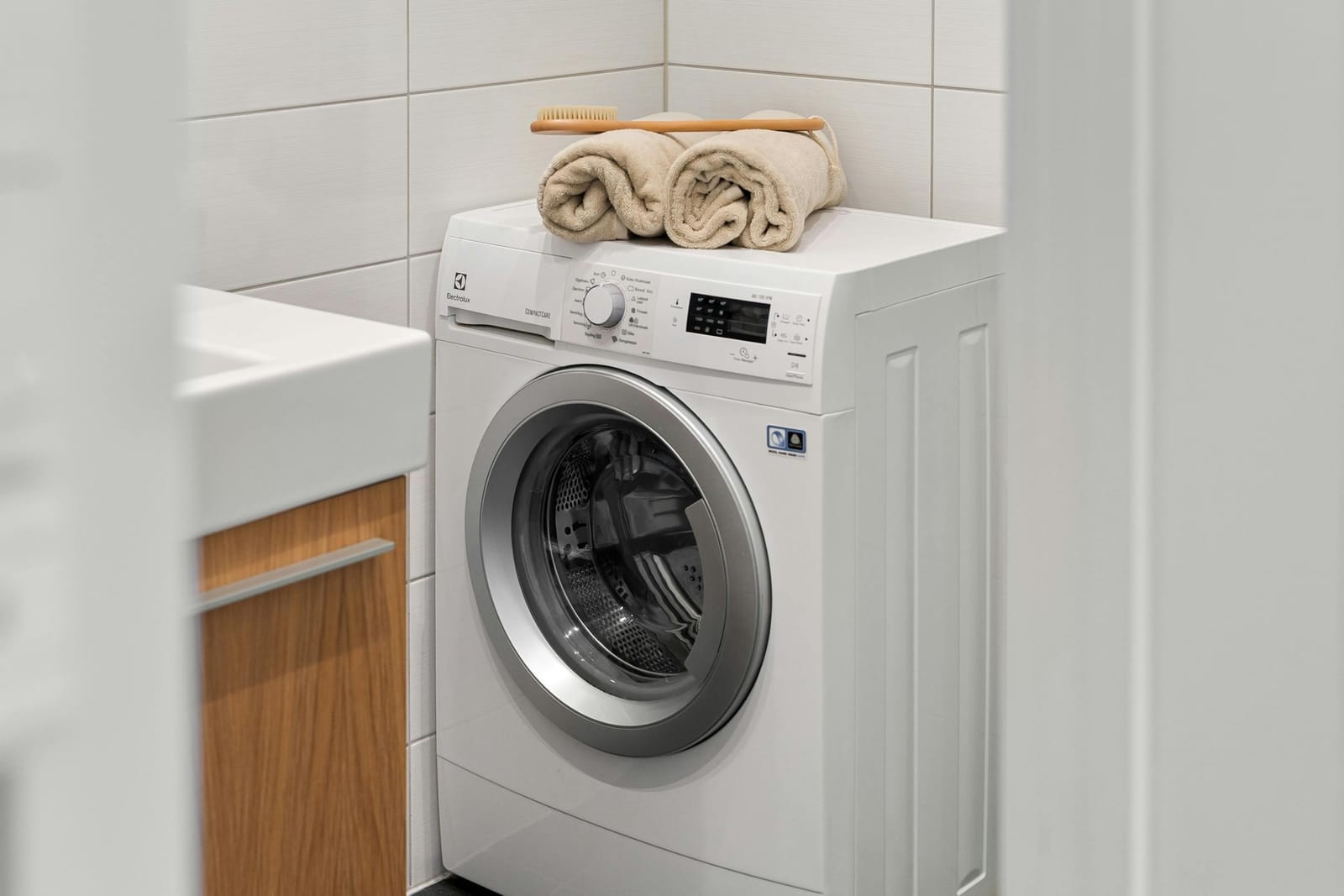
- New unit install. Transport bolts removed, levelled, connected, tested — the same discipline as a fresh install.
- Old unit removed. We take it for recycling. Top-loader-to-front-loader switches are routine; we confirm water pressure and layout on the visit.
We recommend replacement when:
- The repair would cost a large fraction of a comparable new machine.
- Drum bearings have failed on a unit older than 8 years.
- The same fault has come back more than once.
Brands we install
We install most washing machine brands sold in Australia. Supply is usually yours or ours, whichever suits. The brands page has the full list; if the washing machine you have in mind is not on it, ask before you buy and we will tell you straight.
When stacked or built-in changes the job
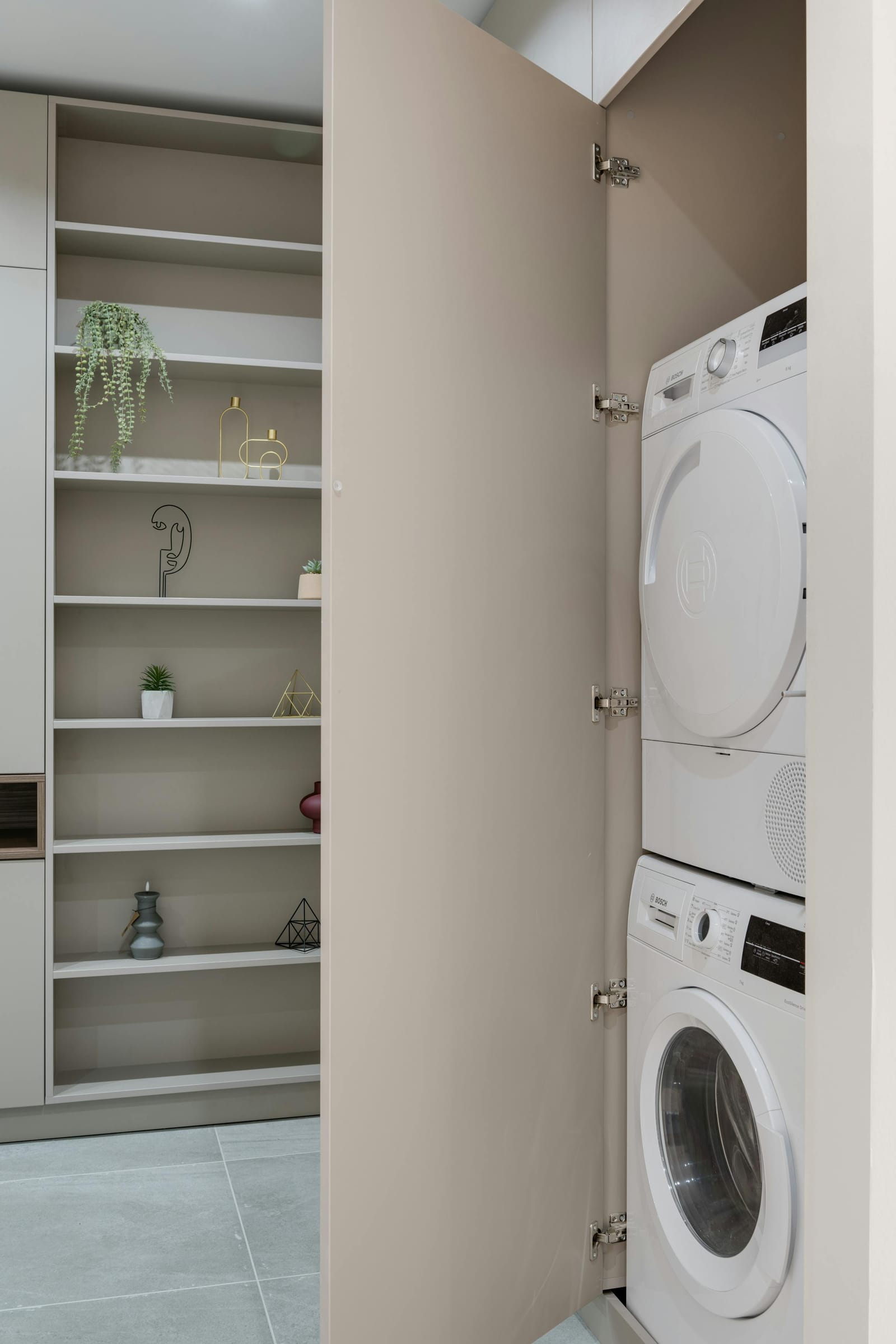
Stacked washer-dryer combinations need the correct stacking kit (each brand has its own) and careful alignment so the dryer sits secure on top of the washer. Built-in (integrated) washing machines fit behind a cabinetry door and need the door securely hinged to the unit’s front panel. Both add time to the install; both are jobs we routinely do.
How it works
- Send us the brand, model, and install location. For replacements, tell us the symptom on the old unit.
- We confirm an appointment. Same-week common.
- We install on the day. Bolts out, levelled, connected, tested; old unit removed on replacements.
- You sign off and we remove the packaging.
Areas we cover
We cover Sydney CBD, Eastern Suburbs, Inner West, North Shore, and Sutherland Shire. Full detail on the coverage page. Every job is quoted before work starts.