Cooktops are the focal point of most kitchens. The install affects how the unit cooks, how it cleans up over years of use, and how the kitchen feels visually. We install and replace gas, electric, ceramic, and induction cooktops across Sydney for homeowners, renovators, and kitchen fitters.
What is involved
The four cooktop types share a common install sequence and diverge on the connection:
- Cutout. The benchtop opening is checked against the manufacturer’s template. Stone benchtops are cut by a stonemason in advance; laminate and timber we cut on the day.
- Airflow clearance. Every cooktop needs a minimum clearance below for cooling airflow. We verify the cabinetry has the right gap, especially under induction units which exhaust warm air downward.
- Connection. Electric, ceramic, and induction cooktops sit on a dedicated circuit; gas cooktops connect to the gas line under a separate licence. Both paths are covered below.
- Seal and sign off. The unit is sealed to the benchtop, levelled, and tested through every burner or zone before we leave.
Gas cooktops: licensed gas fitting
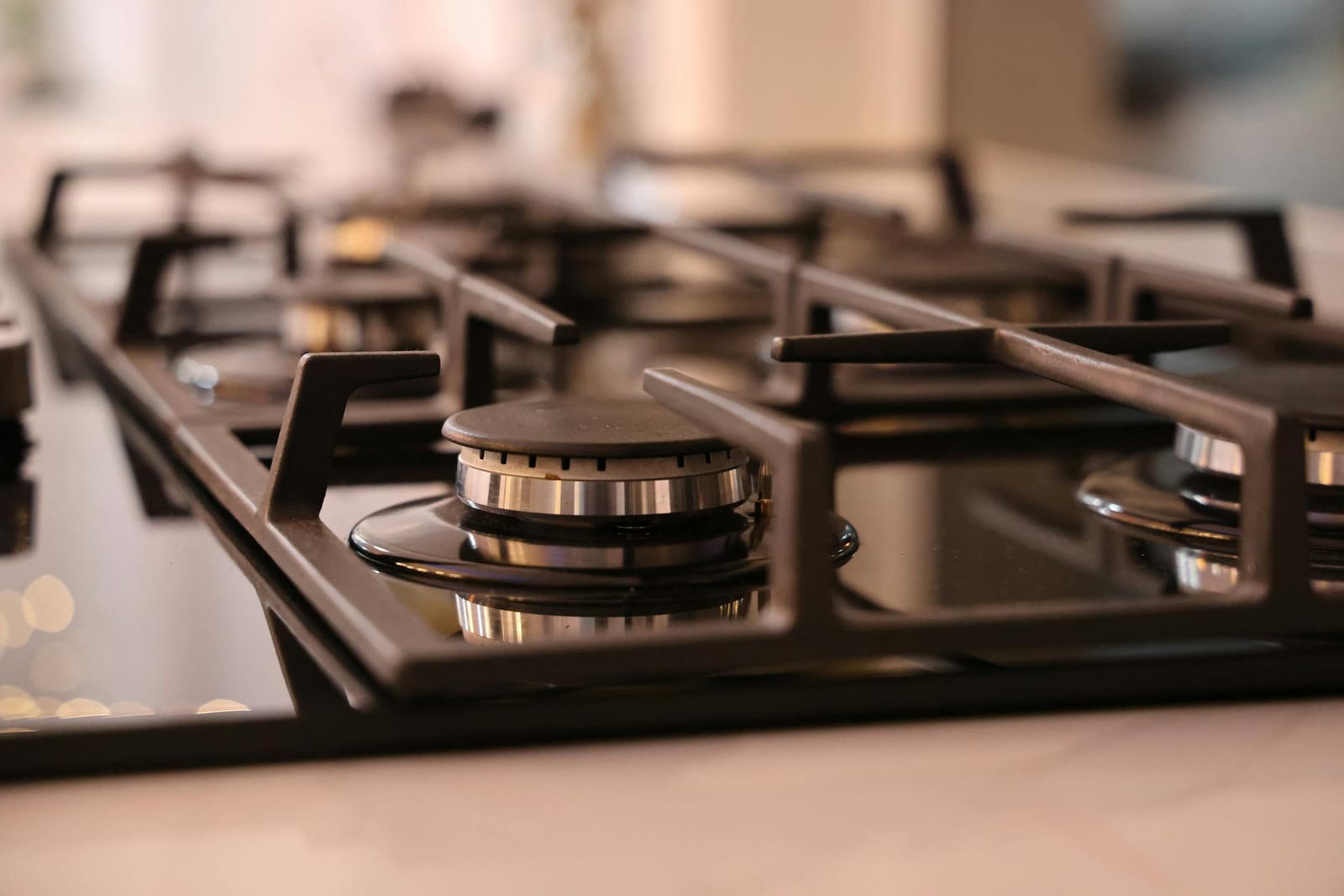
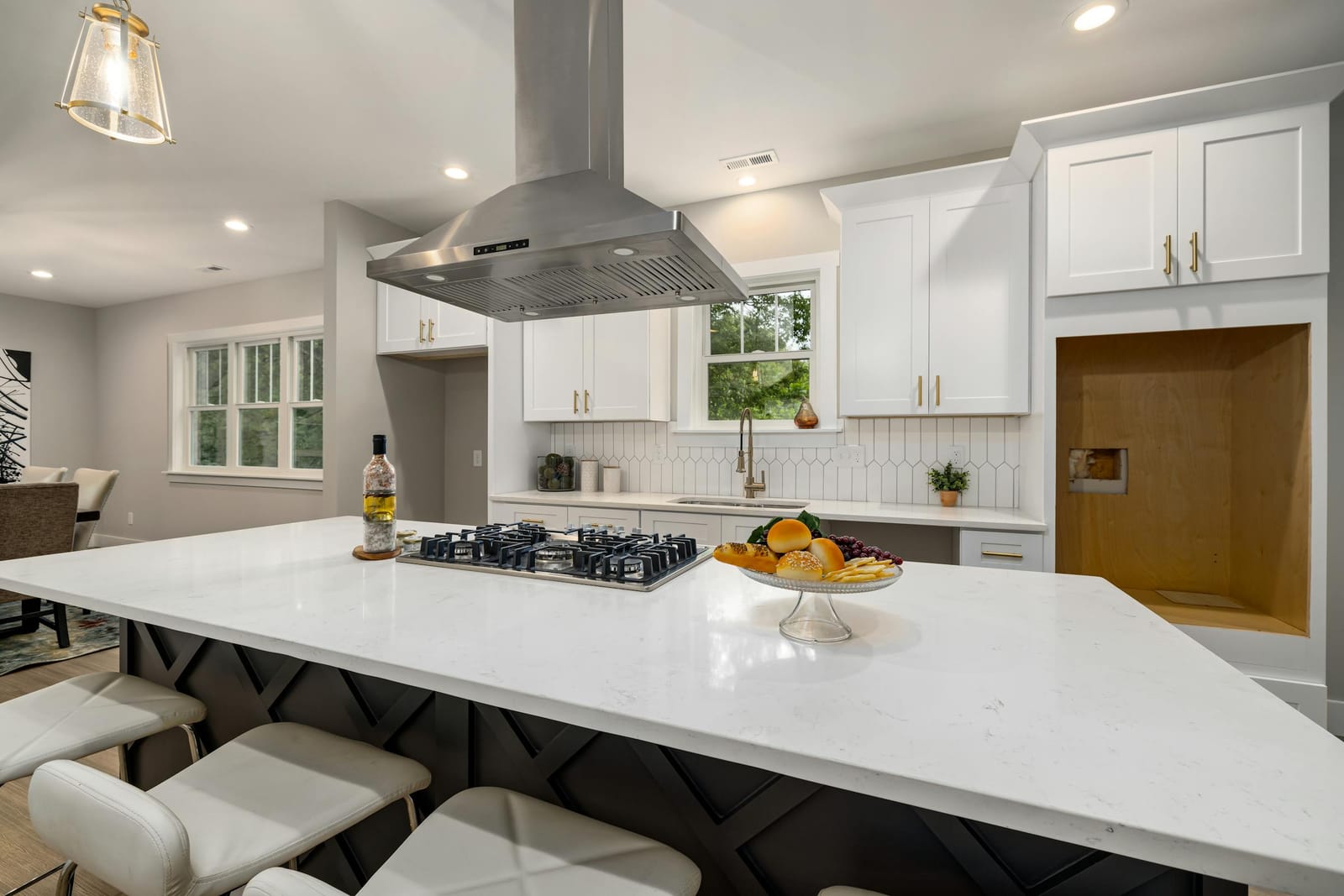
Gas cooktops are the most common cooktop type in Sydney kitchens, and the install sits under NSW gas-fitting regulation — a separate licensing regime from electrical work. Every gas cooktop we fit covers:
- Gas line connection. The existing gas point is tested for supply pressure and the cooktop is connected with the manufacturer-specified hose or hard pipe, never a generic substitute.
- Injector configuration. The correct natural-gas or LPG injector set is fitted for your supply and the data plate is updated.
- Burner setup. Each burner is lit and tuned. The flame should be clean blue, the right size, and not lifting off the burner head. Yellow tipping, lazy flames, or popping during ignition are corrected before sign-off.
- Leak test. The line is pressurised and watched for any pressure drop. A failed test means a leak; we find it and fix it before the appliance is commissioned.
- Certificate of gas compliance. Issued at the end of the job. Insurance providers ask for it on claims involving gas appliances, strata schemes ask for it before a unit owner fits a new cooktop, and property managers require it on tenant-arranged installs.
Electric, ceramic and induction
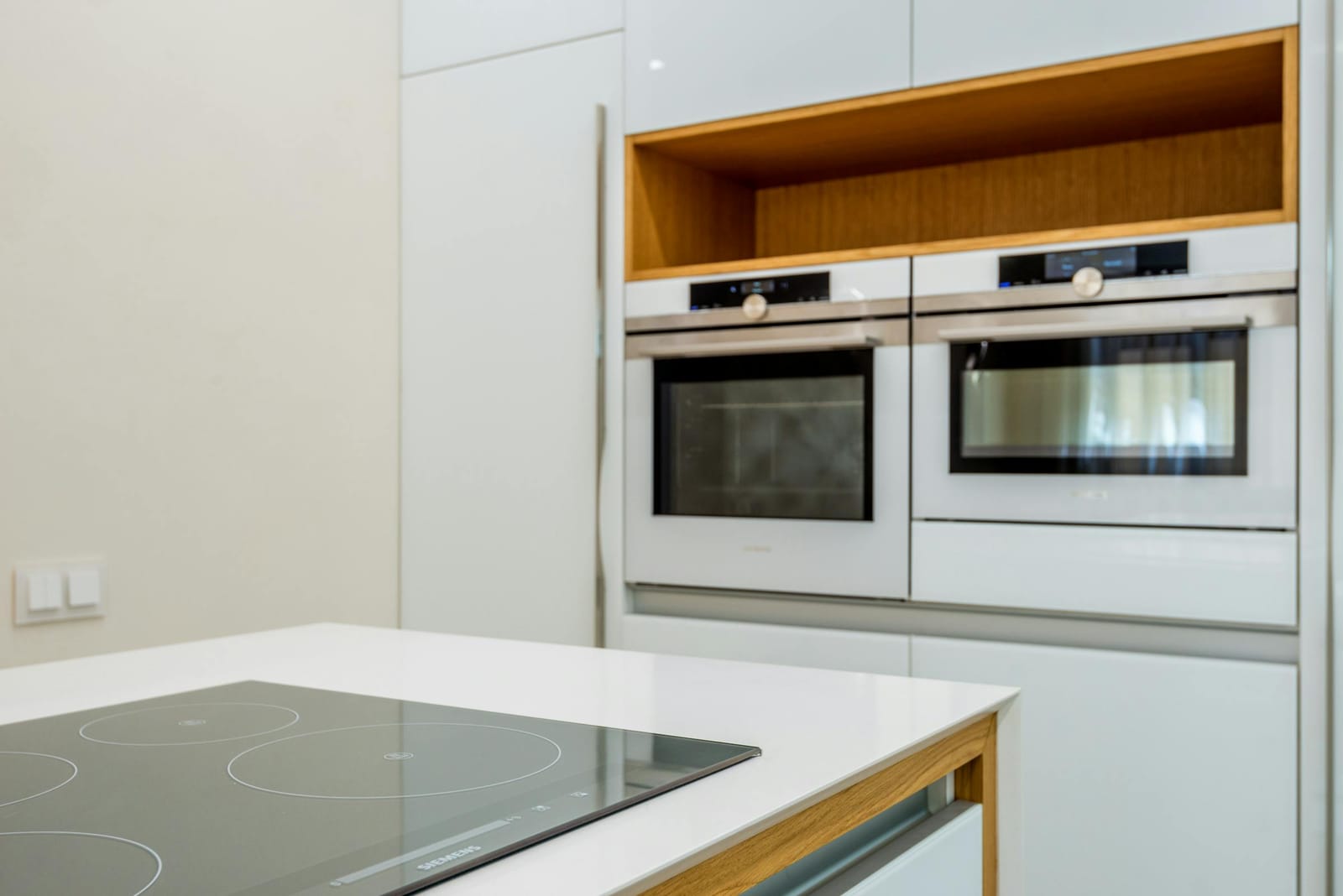
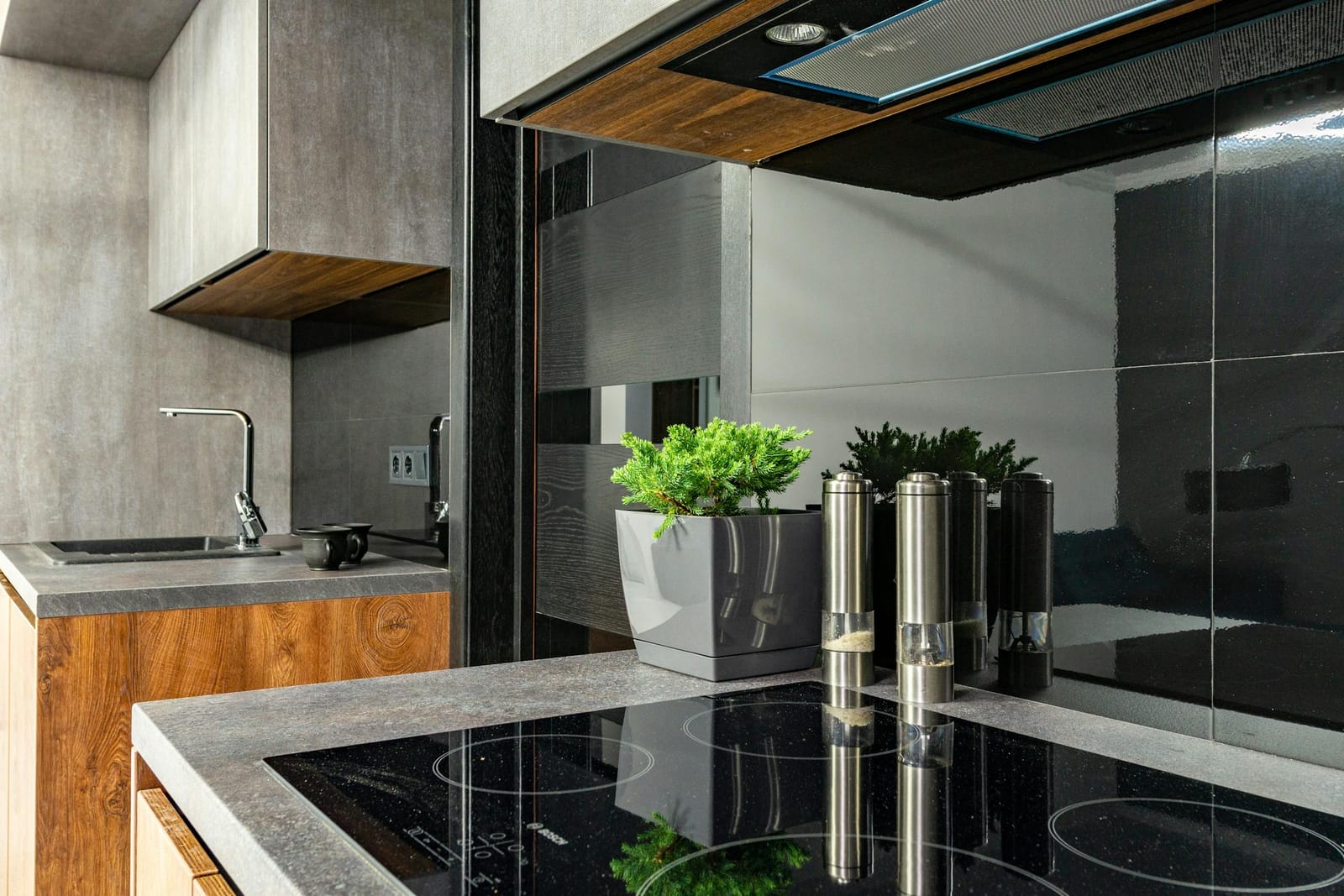
The three electric families share one discipline: a dedicated circuit, a precise cutout, and a clean seal. The differences sit in the circuit rating and airflow:
- Circuit verification. Older electric and ceramic cooktops sit on a 20 A circuit. Full-size induction units often need 32 A because they draw more peak current. We test the existing circuit, confirm it suits the new unit, and upgrade where needed, with a certificate of electrical compliance issued for the work.
- Protection. Modern installations sit behind an RCD that trips on earth fault. We confirm the protection is present and tested.
- Induction airflow. Induction cooktops are sensitive to airflow blockage. Most early-life induction failures we see (sensor overheats, power cut-outs, fan errors) come from an install that did not preserve the manufacturer’s airflow gap. The right gap on day one extends the unit’s life by years.
Replacing an existing cooktop
A cooktop with failed zones, a cracked glass surface, or burners past their service life is often better replaced than repaired — we can advise either way alongside our cooktop repair service. Like-for-like replacements reuse the existing cutout and connection: old unit out, connections inspected, new unit sealed in and tested. Fuel-type switches (gas to induction is the common one) add circuit or gas-line work, which we quote up front as one job.
Brands we install
We install most cooktop brands sold in Australia. Supply is usually yours or ours, whichever suits. The brands page has the full list; if the cooktop you have in mind is not on it, ask before you buy and we will tell you straight.
How it works
- Send us the brand, model, fuel type (gas, electric, ceramic, induction), and install address. For replacements, tell us what is there now.
- We confirm an appointment. Same-week common for like-for-like; renovation-stage installs scheduled with your fitter.
- We install on the day. Cutout verified, unit fitted, sealed, connected, tuned, and tested.
- You sign the compliance paperwork and we remove the packaging.
Areas we cover
We cover Sydney CBD, Eastern Suburbs, Inner West, North Shore, and Sutherland Shire. Full detail on the coverage page. Every job is quoted before work starts.